
4th March 2026
Casinos are designed with an in-depth understanding of human psychology. The thrill of winning, paired with the possibility of losing, creates a captivating experience that appeals to various emotions. From the moment you enter a casino, the ambiance—bright lights, engaging sounds, and inviting decor—creates an atmosphere that stimulates excitement and anticipation. This environment is crafted to keep players engaged, encouraging them to stay longer and partake in more activities. For instance, exploring the benefits of uk online casinos not on gamstop can also foster a unique sense of belonging among many gamers.
Moreover, many casinos employ psychological tactics to build a sense of community among players. This sense of belonging can enhance the experience, making people feel more connected to the space and, inevitably, more willing to return. The social aspects of gaming, such as interacting with dealers or fellow players, add another layer of allure that makes gambling more than just a solitary activity.
Another secret that casinos use to keep visitors coming back is the strategic implementation of rewards programs. These programs provide patrons with various perks, such as free play credits, complimentary meals, and luxurious accommodations. Such incentives can make players feel valued and appreciated, reinforcing their decision to frequent the casino. The more they play, the more they are rewarded, resulting in a cycle that encourages repeated visits. This system often leads to a scenario where players quickly realize their unique preferences.
Casinos often utilize tiered loyalty systems, where players can achieve different levels based on their gaming activity. As players move up in status, they unlock increasingly attractive rewards, which can motivate them to gamble more to reach higher tiers. This continuous pursuit of rewards taps into a natural desire for achievement, making it hard for players to resist returning to try and earn those coveted benefits.
Casinos excel at creating an environment where players feel they have some degree of control over their outcomes. This illusion is particularly prominent in games like blackjack and poker, where skill and strategy play a significant role alongside chance. When players believe their decisions can influence the outcome, they are more likely to engage in prolonged play, convinced that their expertise can lead to success.
This sense of control can be a double-edged sword. While it can make the gaming experience more enjoyable and less intimidating, it can also lead players to underestimate the risks involved. As they chase losses or seek to capitalize on winning streaks, they may find themselves spending more time and money than intended. This phenomenon is known as the “gambler’s fallacy,” and casinos are well aware of how it can keep players returning, hoping for that next big win.
The physical layout of casinos is meticulously planned to maximize player engagement. From the placement of slot machines to the design of gaming tables, each element is crafted to lead players deeper into the establishment. This design often lacks natural exits, making it easy for players to lose track of time and become enveloped in the experience.
Additionally, casinos often incorporate a blend of gaming options to cater to a wide range of preferences, ensuring that players can switch from one game to another without needing to leave the premises. This accessibility keeps the excitement flowing and encourages longer stays, as players gravitate toward familiar or new games within the same environment, further deepening their commitment to the casino experience.
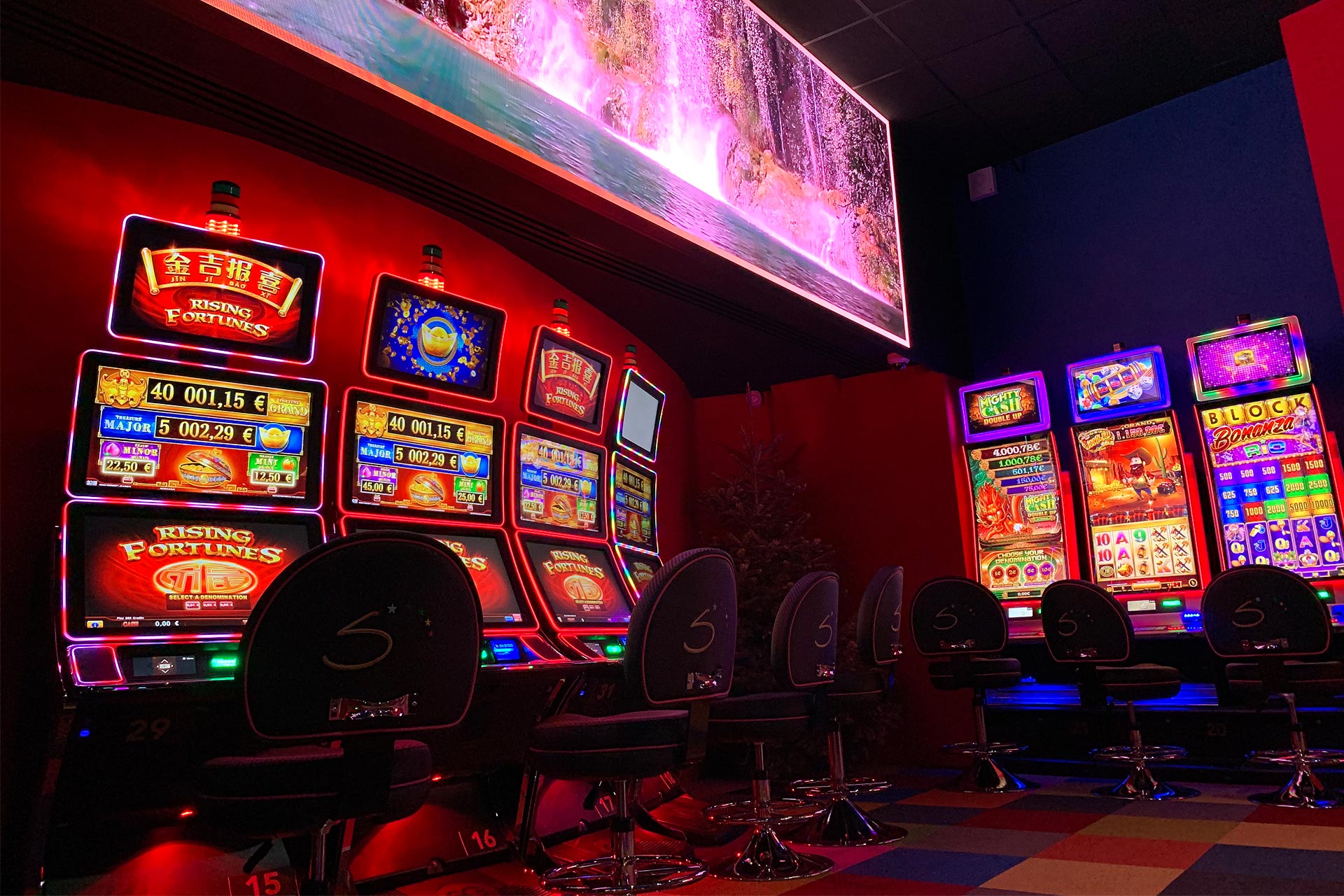
Casinos are not just centers for gambling; they are social hubs where people connect and interact. The communal atmosphere is enhanced through events, tournaments, and entertainment options that bring players together, fostering a sense of camaraderie. This social engagement often leads to shared experiences that can be more memorable and enjoyable than solo play.
The sense of community that casinos cultivate encourages players to not only return for the games but also for the social interactions. As players form bonds with others in the casino environment, they are more likely to return to relive those experiences and strengthen those connections. Ultimately, this thriving social ecosystem becomes a compelling reason for people to keep coming back, underscoring the importance of community in the gambling landscape.
Recent Comments